Safety
Dogs, Cows, Horses and Mountain Roads: Everyday Georgia, Safely
Calm, practical guidance for unfamiliar dogs, livestock on roads, horses, sea and mountain days, animal bites and Georgia's 112 emergency service.
- Best for
- Families, drivers and outdoor travellers
- Ideal season
- Read before every trip
- Travel style
- Prevent, pause, respond
- Reading time
- 10 min read
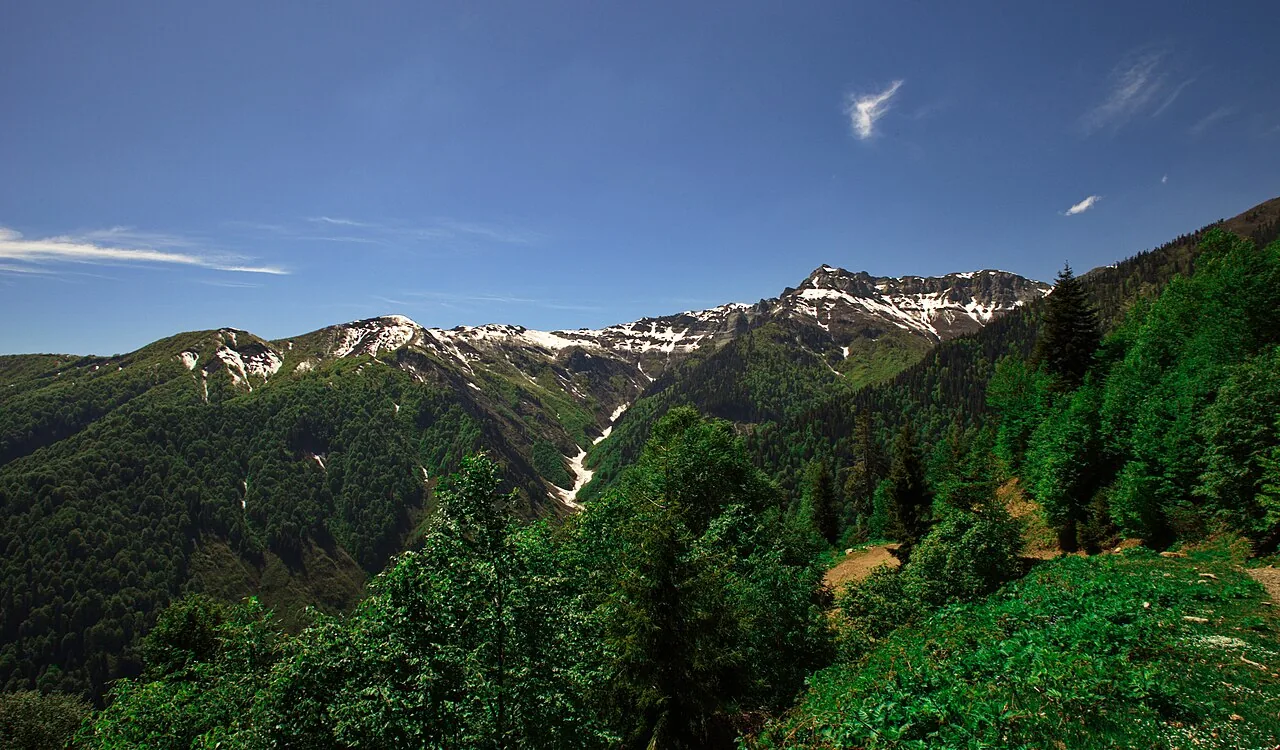
Cows in a village road and dogs near a beach can look charming because they are ordinary parts of local life. Ordinary does not mean risk-free. Give animals space, slow the vehicle, and know what to do before a bite, fall or road problem becomes stressful.
Dogs, cows and horses: the calm response
Around an unfamiliar dog, stop approaching, avoid direct challenge, keep children close and create distance without running. Do not touch puppies or step between an animal and food, territory or young.
When livestock blocks the road, slow or stop and wait. Do not force a vehicle through a herd, split a cow from a calf, rev beside a horse or walk close behind one. A local handler's signal outranks impatience.
- What if a dog follows? Stay calm, avoid running, put a bag or bicycle between you if needed and move toward people or a secure space.
- What if cattle fill the road? Stop with distance, use low lights at night and wait for a clear path.
- What if a horse startles? Reduce noise and movement, give the animal a wide route and follow the handler's direction.
If a bite or scratch happens
- Move to safety without trying to catch or strike the animal.
- Immediately wash and flush every wound with soap and running water for about 15 minutes.
- Seek urgent medical assessment. Rabies prevention must begin before symptoms and may include vaccine and other treatment.
- Record the location, time, animal description and owner details only if this can be done safely.
- Call 112 for severe injury, uncontrolled bleeding, danger at the scene or urgent transport guidance.
Roads, mountains and water
Outside city centres, poor lighting, unclear markings, erratic driving, livestock, flooding, landslides and snow can all affect a route. Avoid unfamiliar night driving and confirm whether the vehicle suits the road.
In mountains, share the route, carry layers and water, use offline navigation and turn around before daylight or weather becomes a problem. At the sea, follow flags and lifeguards, wear life jackets for boats and sea sports, and respect cancellations.
| Situation | First contact | What to share |
|---|---|---|
| Police, fire, ambulance or immediate danger | 112 | What happened, exact location, name |
| Road or trail status | Official road/protected-area service | Route, date, vehicle and planned time |
| Non-emergency property help | Dream Cottages WhatsApp | Guest name, question and location |
| Entry or insurance rule | GeoConsul / official authority | Nationality, document and travel dates |
Prepare before the ordinary problem
Carry travel health and accident insurance that meets the current Georgian entry requirement, plus any cover needed for skiing, off-road travel or sea sports. Rules and policy exclusions change, so verify both the government requirement and your insurer's wording.
Save 112, your accommodation address, coordinates, insurer assistance line and essential medical information offline. Keep prescribed medicine and a small first-aid kit accessible rather than buried under luggage.
Use the site
Turn the guide into your own day.
Sources & planning note
Fact-checked 2026-08-10. Prices, schedules, border rules, weather and seasonal services can change; confirm live details before paying or travelling.
Ready to explore?
Book your cottage, then build the days around it.
Send your dates, group size and favourite ideas. We will help you turn the shortlist into a realistic stay.
Keep exploring
Related field guides
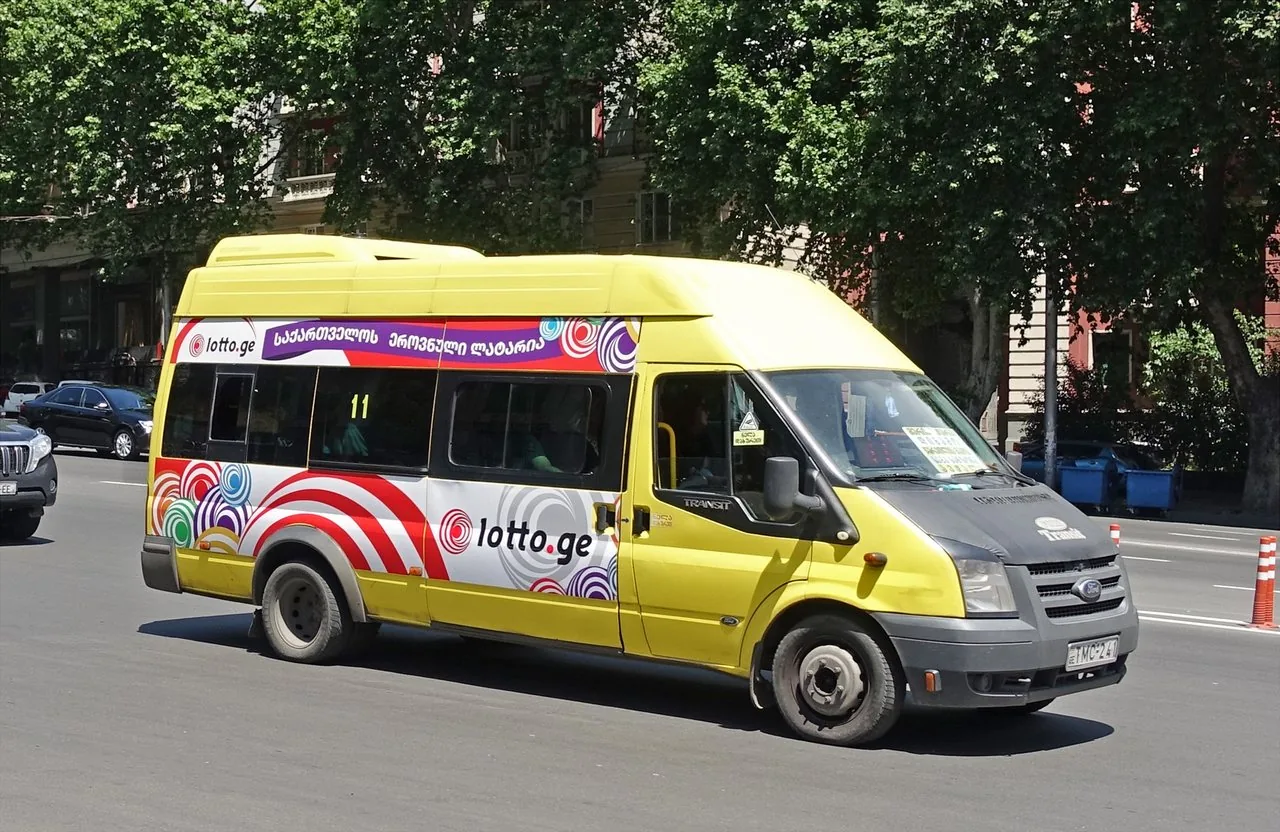
Practical 12 min read
Getting Around from Ureki Without Guesswork
A first-time transport and mobile-data guide to Georgia: app taxis, trains, airport transfers, local SIM and eSIM options, current package prices and safer booking steps.
Read the field guide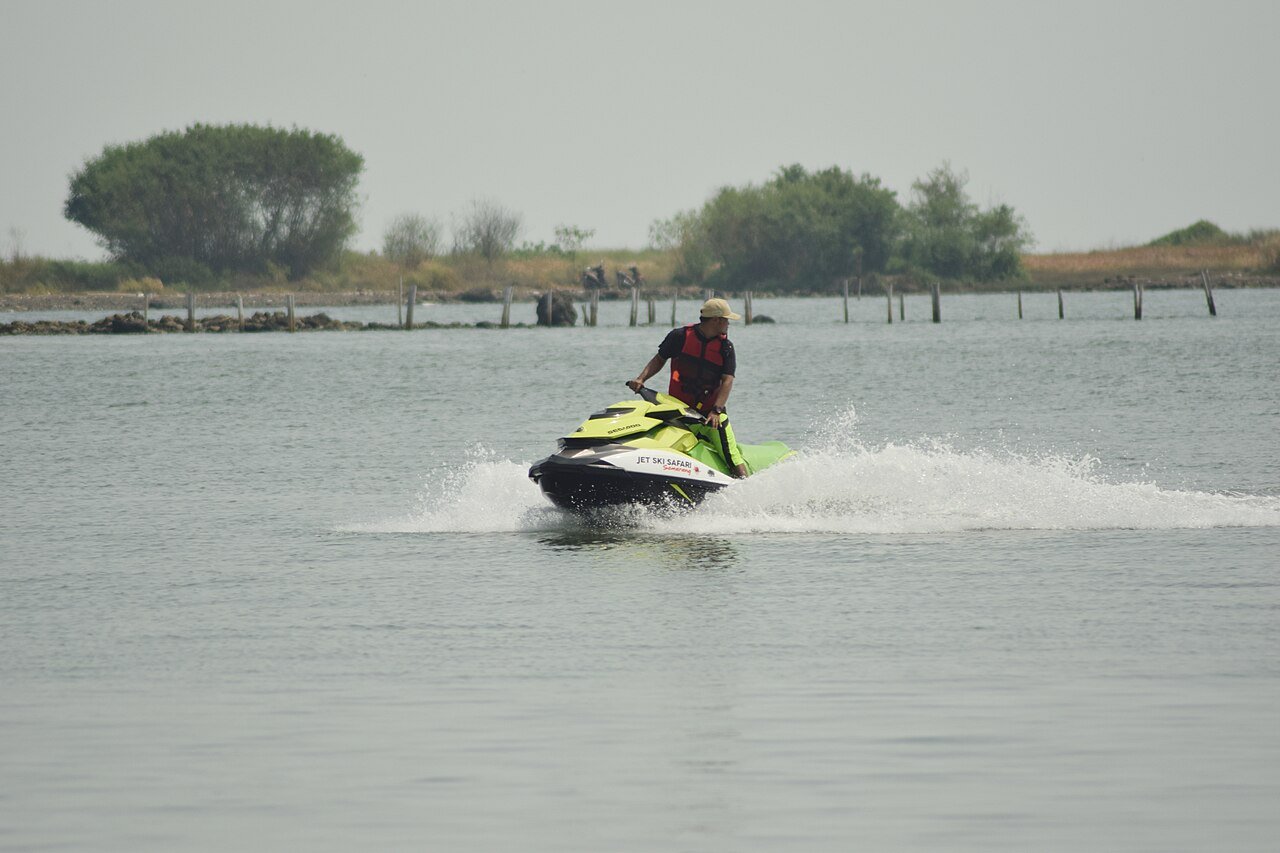
Seasons 9 min read
Georgia Month by Month: Sea, Forest, Wine and Snow
A month-by-month Georgia planner for Ureki beach, western forests, birding, mountain roads, city trips and ski season.
Read the field guide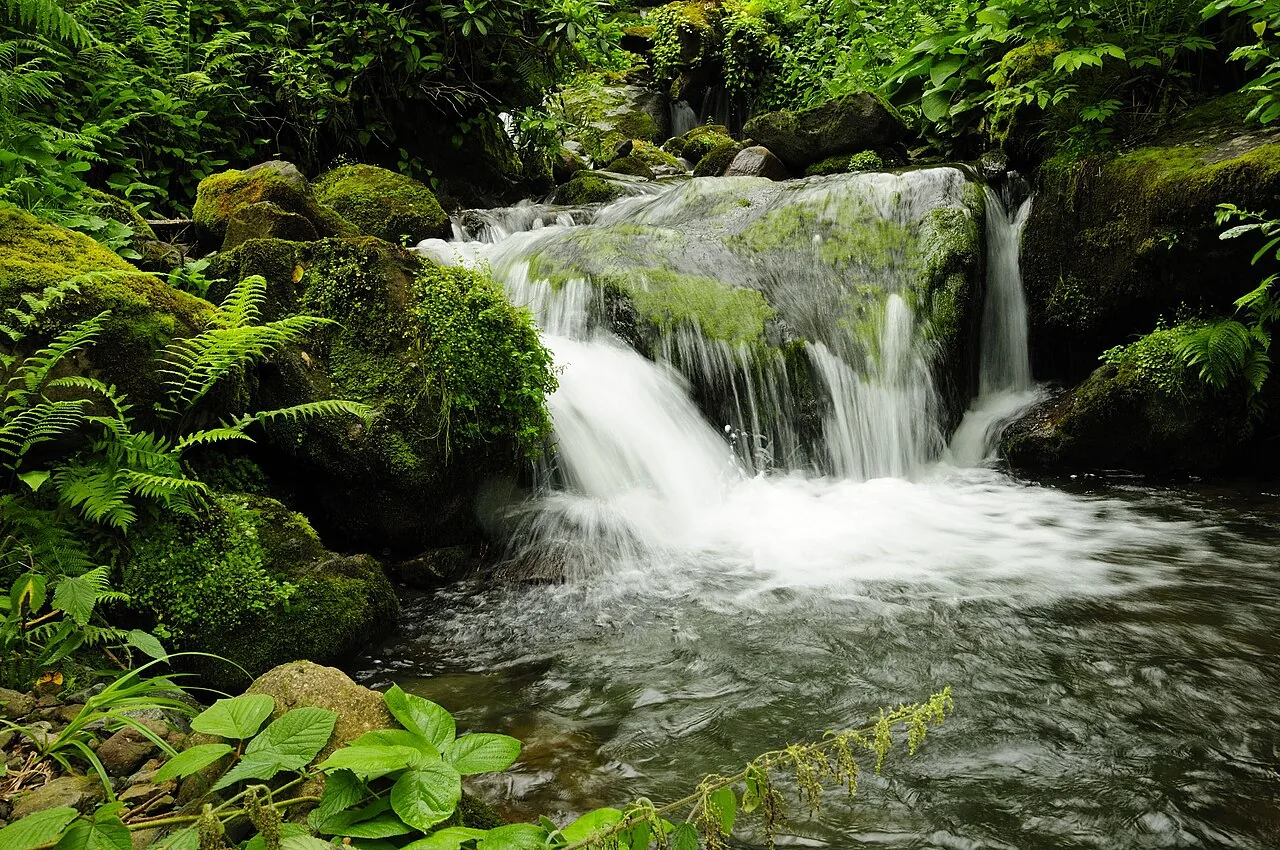
Nature 8 min read
Rainforest Days: Mtirala, Kintrishi and Waterfall Country
How to choose a western Georgia rainforest day with Mtirala trails, Kintrishi scenery, waterfall weather and honest adventure limits.
Read the field guide